Signs Your Faucets Are Feeling the Pressure
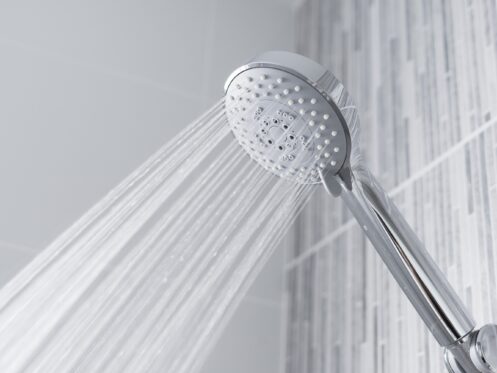
When water blasts out of the faucet harder than usual, it might seem nice at first. Dishes rinse off faster, and pots fill up in seconds. Still, what seems helpful at first can end up putting real strain on your plumbing. High pressure can make faucets spray unevenly or leak around the base. That leak might not seem like a big deal, but the force behind it keeps wearing the seal down. If the drip keeps going after you shut it off, the internal parts are likely wearing out. You may also notice splashing in your sinks or a spray pattern that is more like a mist than a stream. These signs tell you the aerator is fighting more pressure than it was built to handle. Replacing faucet parts might help for a while, but if the pressure stays high, you’ll be replacing it again. Replacing parts without adjusting pressure is like patching a leak in a tire without pulling the nail out first. The root cause needs attention.Toilets That Seem to Fill Too Fast or Run Too Loud
You probably don’t pay much attention to the sound of your toilet refilling. But if the tank fills louder than usual or seems to refill faster than it used to, there’s a chance high pressure is the issue. A quick refill can sound helpful, but it often means the internal valves are slamming shut instead of sealing gently. That constant jolt can break down washers, flappers, and fill valves faster than normal. If you hear gurgling or banging after the flush, the pressure might be forcing air into parts of the line where it doesn’t belong. That air causes turbulence, which adds to the wear inside the tank. Some toilets even start ghost-flushing, where water leaks slowly into the bowl and the tank tries to refill when no one’s used it. This happens when pressure pushes water past weakened seals. What seems like an odd sound now might become a flood later if the tank cracks or the valve sticks open.Appliances That Don’t Last as Long as They Should
Water pressure not only affects your fixtures. Dishwashers, washing machines, and refrigerators with water dispensers or ice makers all rely on steady, controlled pressure. When the pressure runs too high, those internal valves open and close harder than they were designed to close. The hoses can bulge, and the connectors can leak. Some machines won’t start their cycles at all if the pressure increases beyond the normal range. Sometimes your appliances throw error codes tied to water intake problems. You could replace the parts or call the manufacturer, but if the root issue is water pressure, you’ll keep making repairs. Pressure regulators were created to protect appliances.Banging or Rattling Pipes When You Use Water
One of the clearest signs that your pressure might be too high is noise. When you turn off a faucet and hear a loud bang behind the wall, that’s not just a pipe settling. That’s a water hammer, which happens when high-pressure water moves quickly through the pipe and suddenly stops. The momentum needs somewhere to go, so the pipes themselves shake or slam into nearby framing. That vibration doesn’t stop with the sound, but it loosens brackets and weakens joints. Eventually, it can crack a pipe or cause a slow leak behind a wall where you can’t see it. You might also hear smaller rattling or knocking sounds during normal use. That usually means the pressure is creating turbulence inside the pipe, especially near elbows or tight bends. The fittings were likely installed to handle average pressure, not the extra force that builds up when pressure spikes. Pipe straps and anchors aren’t designed to act as shock absorbers, and they won’t keep working if they undergo stress every day.Leaks That Keep Returning After Repairs
If you’ve had the same connection fixed more than once, there’s a strong chance pressure is wearing it down. High pressure doesn’t always blow a pipe wide open. Sometimes it just keeps working at a weak spot until a pinhole leak forms. Then, even after you patch or replace it, the pressure keeps doing the same thing to the new piece. You might go from copper to PEX or from one brand of valve to another, but if the pressure doesn’t change, the result often doesn’t either. Another sign is when fittings on appliances or under sinks start to drip just weeks after a repair. You might think it was a faulty part or a bad install, but pressure makes every threaded connection harder to seal. Teflon tape and thread sealant can’t make up for the force that pushes water through microscopic gaps. Each time that happens, you risk hidden moisture, mold growth, and water damage behind cabinets or inside walls.Hot Water That Feels Scalding
Your water heater isn’t immune to pressure problems. It might be one of the first places where pressure problems appear. When cold water enters the tank too quickly, the heater may not have time to adjust. You could end up with scalding bursts one moment and cool water the next. That inconsistency is a sign that the balance between pressure and temperature isn’t right. High pressure can also cause the relief valve on your water heater to open more often. That valve protects the tank from building too much pressure internally. But when it keeps popping open, it can start leaking even when the tank is within a safe range. You might notice a puddle near the base or hear hissing from the valve. These aren’t just wear-and-tear problems. They often trace back to water coming in too strongly from the main supply.Outdoor Spigots and Hoses That Wear Out Early
The spigots on the outside of your home are not immune to pressure problems. If your hose nozzle bursts open or the garden spigot sprays at the base, pressure could be behind it. You might notice a hose connection that sprays out the side or makes a high-pitched squeal when you open it. Those sounds are signs that the internal washer or valve is struggling to close against pressure. Over time, that can lead to leaks at the foundation or wet spots near the house where water runs back toward the siding. These outdoor problems don’t just wastewater, but they can lead to erosion, crawl space moisture, or foundation issues.Check Your Water Pressure Regulator Today With Our Plumbing Check-Up
Staying ahead of water pressure issues means looking beyond what comes out of the tap. A properly installed pressure regulator can protect your pipes, appliances, and peace of mind. In addition to pressure regulation, we also provide leak detection, pipe repair, and fixture replacement. Contact Beltway Air Conditioning, Heating & Plumbing to book your plumbing checkup.
Meet the Author