Is Your Home Losing Money? The Cost of Hidden Slab Leaks and Underground Pipe Issues

As the weather warms up and water usage climbs with spring lawn care, outdoor showers, and garden hoses running overtime, many homeowners start noticing something unsettling: a water bill that just keeps creeping up. Before you blame your sprinkler system or a forgotten hose, consider this — the problem might be happening completely out of sight, beneath your feet.

Slab leaks and underground pipe issues are among the most expensive and misunderstood plumbing problems a homeowner can face. Knowing the signs of a slab leak early can be the difference between a manageable repair and a costly, drawn-out ordeal.

What Is a Slab Leak, Anyway?

Your home is built on a concrete foundation, and running through or beneath that foundation are water supply and drain lines. When one of those pipes develops a crack or break, it becomes a slab leak. Because the pipe is buried under concrete, the water has nowhere obvious to go, which means damage quietly accumulates before most homeowners ever notice.

Signs of a Slab Leak You Should Not Ignore

The tricky part about slab leaks is that they rarely announce themselves dramatically. Instead, they whisper. Here are the warning signs to watch for:

  • A sudden spike in your water bill with no clear explanation is one of the most common high water bill causes tied to underground leaks. If your usage looks the same but your bill has jumped, water is going somewhere it should not be.
  • Warm or damp spots on your floor, particularly on tile or hardwood, can indicate hot water line damage beneath the slab.
  • The sound of running water when everything in the home is turned off.
  • Cracks in your walls or flooring that seem to appear out of nowhere, caused by shifting as water erodes the ground beneath your foundation.
  • Low water pressure throughout the home, even when demand is low.
  • Mold or mildew odors, especially near baseboards or on lower-level flooring.

Why Spring and Summer Make It Worse

Warmer months tend to expose these issues faster. Increased water usage from outdoor activities puts more pressure on aging pipes. Soil shifts as it dries out and expands with heat, and pipes that were holding steady may finally give way. What was a slow water leak detection problem in winter can become a full-blown crisis by July.

Underground Pipe Repair Cost: What You’re Really Facing

Ignoring a slab leak never saves money. Underground pipe repair costs vary widely depending on the location of the break, the method needed to access it, and how long the leak has gone undetected. Minor repairs caught early may run a few hundred dollars. However, leaks that have caused foundation damage, mold growth, or flooring destruction can push costs into the thousands, sometimes well beyond.

The good news? Modern leak detection technology means plumbers no longer have to tear up your entire floor to find the source. Professionals use acoustic detection, pressure testing, and thermal imaging to pinpoint the problem quickly and accurately.

Do Not Wait Until the Damage Is Done

If you have noticed any of the signs above, your home may already be losing water and money every single day. The sooner a licensed plumber performs a proper inspection, the smaller the problem stays.

Beltway Air Conditioning, Plumbing and Heating offers professional leak detection services to help homeowners across the area get ahead of hidden plumbing issues before they spiral. Contact our team today to schedule an inspection and protect your home and your wallet.

Furnace Power Down: 3 Steps to Prepare Your Heating System for Spring and Summer

As temperatures rise and your heating system gets a well-earned break, it is important to properly shut things down for the season. Knowing how to shut your furnace down for the summer is not just about flipping a switch. It is about protecting your system, improving efficiency, and setting yourself up for a smooth restart in the fall.

A few simple steps can go a long way in extending the life of your equipment and keeping your home comfortable year-round.

Why Seasonal Furnace Shutdown Matters

Your furnace works hard all winter. When spring arrives, giving it proper off-season care helps prevent dust buildup, moisture issues, and unnecessary wear. It also gives you a chance to catch small problems before they turn into costly repairs later.

Good heating system off-season care keeps your equipment in better shape and ensures it is ready to go when colder weather returns.

Step 1: Turn Off the Furnace Power

The first and most important step is safely powering down your system.

Most furnaces have a dedicated power switch located nearby. It often looks similar to a light switch and may be mounted on or near the unit. Switching this off ensures the furnace does not accidentally cycle on during warmer months.

You can also shut off power at the breaker panel for added peace of mind.

What About the Furnace Reset Switch?

Many homeowners come across the reset button and wonder if they should use it. A furnace reset switch guide is helpful here. The reset button is designed to restart the system after a fault or shutdown, not for seasonal power-down.

Avoid pressing it unless you are troubleshooting a specific issue. If your system has been acting up, it is better to schedule professional heating repair before shutting things down for the season.

Step 2: Adjust Your Thermostat Settings

Once the furnace is off, it is time to update your thermostat.

Switch your system from heat to cool mode or turn it off entirely if you are not ready to use your air conditioning yet. This prevents your furnace from running unnecessarily.

Thermostat Fan Settings for Spring

Your fan setting also plays a role in comfort and air circulation.

  • Auto setting: The fan runs only when heating or cooling is active. This is the most energy-efficient option
  • On setting: The fan runs continuously, which can help circulate air but may increase energy use

During spring, many homeowners prefer the auto setting to avoid pushing unconditioned air through the home. If you are dealing with allergies, occasional use of the fan can help improve air circulation when paired with a clean filter.

Step 3: Replace the Air Filter

Before you fully shut down your furnace, take a moment to replace the air filter. After a long heating season, your filter has likely collected dust, debris, and allergens. 

Leaving a dirty filter in place all summer can lead to musty odors, reduced indoor air quality, and restricted airflow when you turn the system back on. Installing a fresh filter now keeps your system clean during the off-season and makes startup easier in the fall.

Bonus Tips for Off-Season Furnace Care

While the three main steps above cover the essentials, a little extra attention can make a big difference.

Schedule a Professional Tune-Up

Spring is a great time to book heating maintenance. A professional inspection ensures your system is clean, safe, and ready for its next season of use. Technicians can check for worn components, clean internal parts, and identify any issues that may have developed over the winter.

Clean Around the Furnace

Keep the area around your furnace clear of dust and storage items. Good airflow and a clean environment help prevent debris from entering the system.

Consider System Upgrades

If your furnace struggled to keep up this winter or required frequent repairs, it may be time to explore a replacement. Investing in a modern, energy-efficient system through a professional heating installation can improve comfort and reduce energy costs.

Common Mistakes to Avoid

When learning how to shut down your furnace for the summer, it is just as important to know what not to do.

  • Do not ignore unusual noises or performance issues before shutting down
  • Do not leave a dirty air filter in place
  • Do not rely on the reset button as a shutdown method
  • Do not skip seasonal maintenance if your system is older

Taking a few extra minutes now can prevent headaches later.

Get Your Furnace Ready for Its Seasonal Break

Shutting down your furnace for spring and summer is a simple but important part of home maintenance. By turning off the power, adjusting your thermostat, and replacing your filter, you can protect your system and improve your indoor air quality.

If you want to go a step further, professional service can ensure everything is in top condition before the next heating season begins.Beltway Air Conditioning, Heating & Plumbing is here to help with expert heating maintenance, repairs, and system upgrades. Whether you need a seasonal tune-up or are considering a new heating installation, our team is ready to keep your home comfortable year-round. Contact us today to schedule your service and enjoy peace of mind this spring and beyond.

The “Musty AC” Problem: Identifying and Fixing Mold & Moisture in Your Cooling System

If your AC smells musty when you turn it on, you are not alone. Many homeowners notice a damp, mildew-like odor at the start of cooling season or during especially humid stretches. That smell is more than just unpleasant. It is often a sign that excess moisture is lingering inside your system, creating the perfect environment for mold and bacteria to grow.

Understanding why this happens and how to fix it can help you protect your comfort, your indoor air quality, and your HVAC system’s performance.

Why Does My AC Smell Like Mildew?

A musty odor coming from your air conditioner is almost always tied to moisture. When warm air meets the cold evaporator coil inside your system, condensation forms. Normally, that moisture drains away safely. But when something interrupts that process, dampness can build up and lead to microbial growth.

Here are the most common causes:


  • Dirty evaporator coils that trap dust and moisture
  • Clogged condensate drain lines that prevent proper drainage
  • High indoor humidity levels that overwhelm your system
  • Leaky or poorly insulated ductwork that allows moisture inside
  • Infrequent system use, which can let moisture sit and stagnate

If you are wondering why your AC smells like mildew, it usually comes down to one thing: moisture that is not being properly managed.

Where the Smell Is Coming From

The odor you notice is typically produced by mold or bacteria growing in one or more parts of your HVAC system. Common trouble spots include:


  • The evaporator coil
  • The drain pan and condensate line
  • Air ducts and vents
  • The air filter if it has not been changed regularly

When your system kicks on, air passes over these areas and carries that musty smell throughout your home.

How to Fix a Musty-Smelling AC

The good news is that this issue is very fixable. Addressing both cleanliness and moisture control is key.

1. Clean Air Conditioner Coils

One of the most effective ways to eliminate odors is to clean air conditioner coils. Over time, dust and debris collect on the evaporator coil, creating a damp, organic surface where mold can thrive.

Professional coil cleaning removes buildup and restores proper heat transfer, which also improves efficiency. This is typically included in a thorough AC maintenance visit.

2. Clear the Condensate Drain Line

If your drain line is clogged, water has nowhere to go. This leads to standing water in the drain pan, which quickly becomes a breeding ground for mold.

A technician can flush and treat the line to ensure proper drainage and help prevent future clogs.

3. Replace or Upgrade Your Air Filter

A dirty filter can trap moisture and restrict airflow, which makes humidity problems worse. Replacing your filter regularly is a simple but important step.

You may also consider higher-quality filtration if indoor air quality is a concern.

4. Schedule Routine AC Maintenance

Preventative care is one of the best ways to avoid musty odors in the first place. During a professional tune-up, technicians will inspect, clean, and optimize key components of your system.

If it has been a while since your last service, scheduling AC maintenance is a smart move to keep everything running clean and efficiently.

The Role of Indoor Humidity Control

Even a clean system can develop odors if your home’s humidity levels are too high. Ideal indoor humidity typically falls between 30 and 50 percent. In humid climates or during peak summer months, your AC may struggle to keep up on its own.

That is where indoor humidity control becomes essential.

Whole-Home Dehumidifiers

A whole-home dehumidifier works alongside your HVAC system to remove excess moisture from the air before it becomes a problem. Benefits include:


  • Reduced risk of mold and mildew growth
  • Elimination of musty odors
  • Improved comfort at higher temperatures
  • Less strain on your AC system

For homeowners dealing with persistent humidity issues, this is often the most effective long-term solution.

When It Might Be Time for Repairs or Upgrades

Sometimes, a musty smell points to a larger issue. If your system is older, improperly sized, or frequently struggling with moisture, it may be time to explore additional options. 


  • AC repair might be the best choice if your system is not cooling properly or has airflow issues.
  • New AC installation can improve humidity control and performance if your current unit is outdated or inefficient.
  • Ductless mini-split systems can offer better moisture management for targeted comfort and improved efficiency in specific areas.

Addressing the root cause ensures you are not just masking the smell but solving the problem for good.

Breathe Easier With a Clean, Dry System

If your AC smells musty, it is your system’s way of telling you something is off. Whether it is dirty coils, a clogged drain line, or excess humidity in your home, taking action early can prevent bigger issues down the line.

The combination of regular cleaning, professional maintenance, and proper indoor humidity control can eliminate odors and create a healthier, more comfortable living space.

If you are dealing with a musty AC or want to prevent it from happening again, Beltway Air Conditioning, Heating & Plumbing is here to help. From expert AC maintenance and repairs to whole-home dehumidifier solutions and system upgrades, our team can get your home feeling fresh again. Contact us today to schedule your service and breathe easier all season long.

The Importance of Seasonal HVAC Maintenance

Your HVAC system is a vital part of your home. It provides comfort and protection from extreme outdoor temperatures, especially in the summer and winter. Unfortunately, too many people neglect regular maintenance of their heating and air conditioning systems until something goes wrong. This piece will explore the importance of seasonal HVAC maintenance and the benefits that come with it.

Improved Home Comfort

If an HVAC system isn’t maintained regularly, it can decrease its ability to warm or cool your home, especially in the months with the most extreme weather. If your refrigerant level is low, this can significantly reduce your AC’s ability to keep you cool in the summer. If your ducts or blower vents are clogged up, it will affect airflow, which can result in unwanted warm or cold spots in parts of your home.

HVAC Life Span Extension

With seasonal maintenance, a technician will be able to find minor problems before they get worse and become major issues. Because minor problems are caught and remedied early, less strain is put on components, and it greatly increases the life span of your HVAC system. Lubrication can be added to moving parts to reduce the wear and tear of friction. Electrical wiring can be checked to ensure there aren’t any issues.

Operational Safety

When HVAC maintenance is neglected, there are safety hazards that can occur. When a technician is performing maintenance on your HVAC system, they can identify and fix electrical issues that are a fire hazard. Water leaks can cause structural damage to your home, especially if they aren’t noticed for some time. If you have a split HVAC system that burns natural gas in the heating process, a technician can check for natural gas or carbon monoxide leaks.

Lower Energy Bills

One of the best reasons that it’s good to invest in seasonal maintenance of your HVAC system is that it can actually save you money. When your HVAC gets regular cleaning and maintenance, your system runs much more efficiently. This can dramatically lower your energy bills when compared to an HVAC system where homeowners have neglected the required maintenance. During a particularly hot summer or cold winter when your HVAC system is working harder, the savings due to improved efficiency can be even more noticeable.

Air Quality Improvement

You should be regularly replacing or cleaning your air filters. However, when a technician comes for seasonal maintenance, they can do that for you and a lot more. Over time, your system begins to accumulate contaminants like:

  • Pollen
  • Dust
  • Mold spores

When blown into the home, these pollutants can be irritating to breathe, especially to people who regularly have respiratory issues like asthma or seasonal allergies. Professional cleaning can remove all these contaminants from your ductwork, vents, blowers, and other areas of your HVAC system if it is a serious issue.

Noise Reduction

An HVAC system can get noisy when it isn’t maintained properly. This can be for several reasons. The system may have to work harder to make up for the lack of efficiency. It can also be due to damaged components or debris making its way into the system. Depending on how noisy your HVAC gets when it isn’t maintained regularly, it can prevent your home from feeling like a peaceful environment. Additionally, occupants in bedrooms near a clunky outdoor unit may have trouble sleeping. When a technician performs seasonal maintenance, they can tighten components that have come loose or properly lubricate moving parts to fix the noise issue.

Humidity Level Management

Excess moisture in the air during the summer months can make the temperature feel hotter than it actually is. The humidity can also cause your skin to get uncomfortably clammy. To make up for the humidity, most homeowners turn their cool air up even higher, increasing their energy bill and putting stress on the HVAC system. Seasonal maintenance can result in reduced humidity in your home. Technicians can ensure your HVAC system is working optimally to remove excess moisture from the interior of your home.

Costly Repair Prevention

Getting seasonal maintenance keeps your system running smoothly and reduces the amount of stress that is put on components. By reducing this system stress, you are ensuring repairs aren’t needed as frequently. Additionally, if an issue is found on a system that gets seasonal maintenance, it is more likely to be minor, reducing the cost to fix it.

Protect Property Value

Whether you are looking to put your house up for sale on the market or you want to refinance the mortgage on your home, protecting the value of your home is essential. Since your HVAC system is such a vital part of your home, taking care of it with regular maintenance helps preserve your home’s property value. If potential buyers see that the HVAC is poorly maintained, they may decide that they need to replace it, and that expected cost will be reflected in a lower offer. Some potential buyers might choose to purchase another house altogether simply because they don’t want to deal with the issue.

Good for the Environment

Due to the better energy efficiency that comes with a well-maintained HVAC system, you’re also lowering your home’s carbon footprint and helping the environment. Additionally, many old HVAC units use Freon as a refrigerant. Freon is slowly being phased out and replaced by other refrigerants because it is harmful. If your HVAC system starts to leak Freon due to neglected maintenance, this harmful gas is directly polluting your local environment.

Comply With Warranty Conditions

If your HVAC system is still under warranty, there are likely terms and conditions that state the required maintenance of your system for the warranty to remain valid. If you ignore regular maintenance, your warranty claim may be denied. The same can be said about your homeowner’s insurance. If something happens to your HVAC system that causes damage to your home, an insurance company can decide that they won’t cover the damages because it was due to negligence of your HVAC system maintenance.

Peace of Mind

Lastly, taking care of regular HVAC maintenance gives you peace of mind. You don’t have to worry about the stress that comes with your unit breaking down or the anxiety that you may feel from higher energy bills.

Clearly, scheduling seasonal HVAC maintenance is essential for a variety of reasons. Efficiency, safety, comfort, and more are all affected by the state of your HVAC system. Schedule your next seasonal maintenance soon so you can enjoy all of the benefits that come with it.

Do you need seasonal HVAC maintenance? If you live in Hanover, Columbia, Ellicott City, or any other town in the area, Beltway Air Conditioning and Heating can help. We offer maintenance, repair, and installation services for heating and cooling systems. We also offer various plumbing services. If you’d like more information about any of our services or you want to schedule seasonal maintenance for your HVAC system, contact Beltway Air Conditioning and Heating today.

carbon monoxide detector in Hanover

Everything You Need to Know About Carbon Monoxide Detectors

Carbon monoxide (CO) is an insidious gas. Due to its odorless, colorless, and tasteless nature, it has been rightfully dubbed the “silent killer.” Both residential and commercial premises are susceptible to CO emissions. Therefore, both understanding it and investing in reliable CO detectors are crucial for the safety and well-being of occupants.

Why Is Carbon Monoxide Dangerous?

CO is a byproduct of incomplete combustion of fossil fuels. This means anything from your gas stove or heater to your fireplace can be a potential source if not properly ventilated. It’s the kind of danger that doesn’t offer a warning in advance.

When inhaled, CO impedes the blood’s ability to carry oxygen, limiting the supply to crucial organs like the brain and heart. Symptoms of CO poisoning are often mistaken for the flu: dizziness, headaches, nausea, and fatigue. However, high concentrations or prolonged exposure can lead to unconsciousness or even death.

CO detectors are essentially our guardians against potential poisoning. These devices use sensors to measure the concentration of CO in the environment and sound an alarm when dangerous levels are detected. CO detectors are not to be confused with smoke detectors, though combination units exist. The technology behind these alarms has evolved considerably, leading to the emergence of various types of CO detectors. Each comes with its benefits and challenges, making some devices better suited for certain environments or specific applications.

Types of Carbon Monoxide Detectors

Biomimetic Sensors

Biomimetic detectors utilize a unique technology that closely mimics the body’s response to carbon monoxide exposure. These devices contain a gel that, upon absorbing CO, changes its color. This color alteration activates the alarm.

Metal Oxide Semiconductors

Metal oxide semiconductor (MOS) detectors operate by leveraging a semiconductor’s properties at a constant temperature. When CO interacts with the oxide sensor, it affects the resistance of the semiconductor material. As the level of carbon monoxide increases, the resistance decreases, prompting the alarm. These detectors are robust and versatile. Notably, they are often used in industrial settings because of their durability and resistance to other environmental factors. However, a significant downside is their higher energy consumption, which often necessitates them being plugged into an outlet. Although they may come with a battery backup for emergencies, they aren’t as energy-efficient as other options.

features to look for in CO detector

Electrochemical Sensors

Electrochemical sensors are currently the most widely used CO detectors in household settings, primarily due to their reliability and efficiency. These devices use electrodes immersed in a chemical solution. When carbon monoxide seeps into the device, it reacts with the chemicals to produce an electric current. Once this current reaches a specific threshold, it triggers the alarm. These sensors are praised for their accuracy and quick response times. They are energy-efficient and often have longer life spans than their counterparts. The electrochemical process is highly specific to carbon monoxide, ensuring fewer false alarms from other gases. On the downside, they can be a bit pricier, but the investment often pays off in terms of reliability and longevity.

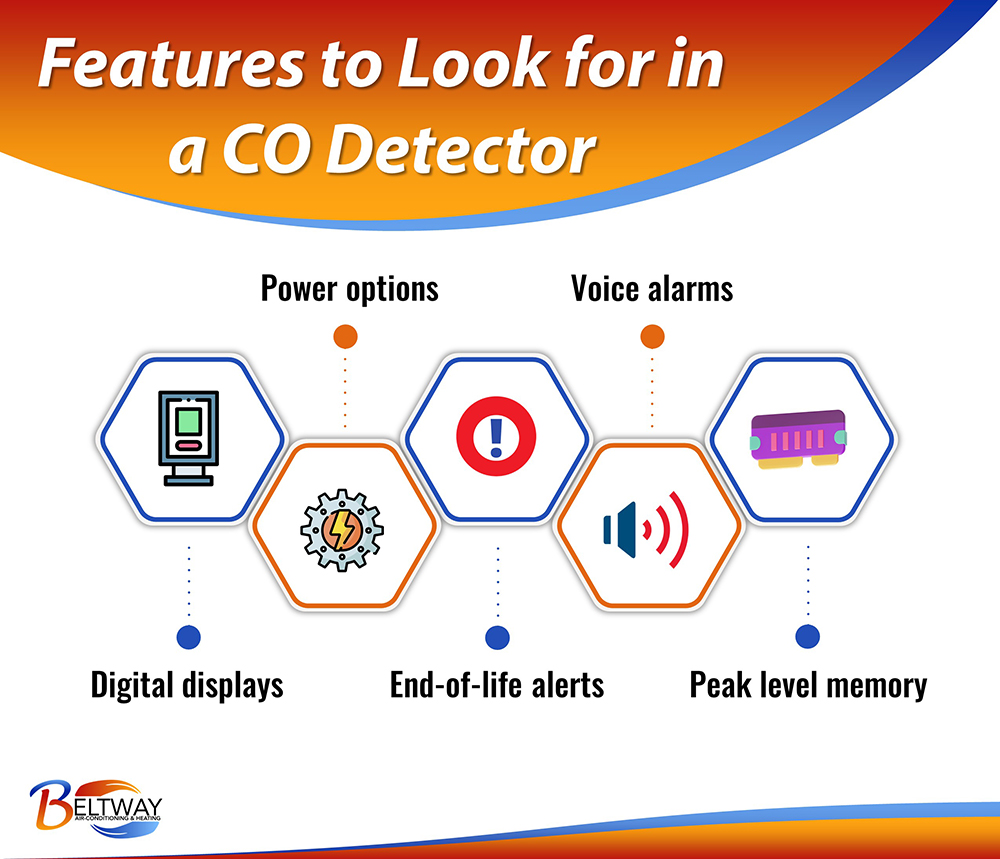
Features to Look for in a CO Detector

When investing in a carbon monoxide detector, it’s not just about picking the first or cheapest option you come across. Like all life-saving equipment, certain key features can determine the efficacy and reliability of the device. Take a look at these features and why they’re essential.

Digital Displays

Modern CO detectors often come equipped with digital screens that display the real-time concentration of carbon monoxide in parts per million (ppm). This feature is especially useful because not all CO concentrations, even if they’re above normal, will immediately trigger an alarm. Low levels of CO exposure over a long time can be harmful, particularly for vulnerable populations such as children or those with specific health conditions. A digital display allows occupants to monitor these levels and make informed decisions, like improving ventilation, even before the alarm sounds.

Power Options

CO detectors come with various power options, each catering to different needs. Battery-operated models are portable and can be placed anywhere. They’re especially useful in places without consistent electricity or during power outages. However, they require regular battery checks and replacements. Plug-in models might limit placement options but usually come with a battery backup to ensure the detector remains functional even during power interruptions. Hardwired models, directly connected to a home’s electrical system, offer reliability but might require professional installation.

End-of-Life Alerts

Over time, the sensors in CO detectors can degrade, reducing their efficiency. Most modern detectors have a feature that signals when the device has reached the end of its operational life span, which is typically between 5 to 7 years. This alert, which could be a chirping sound or flashing light, is distinct from the alarm indicating a CO detection. Being informed about the end of life ensures you replace the detector in time, maintaining continuous protection against CO exposure.

Voice Alarms

While a beeping sound is the traditional alarm for most detectors, voice alarms are becoming more popular. This feature provides audible voice warnings such as “Warning! High levels of carbon monoxide detected!” This clarity can be crucial, especially in households where there might be confusion between smoke and CO alarms.

Peak Level Memory

This feature records the highest concentration of CO detected since the last reset or, in some models, over a specific period (like 24 hours). This can be vital for homeowners who want to monitor CO levels in their homes, especially if they’ve been away. If you return from a trip and check your detector to find a high peak level memory, it indicates there was a significant CO concentration at some point during your absence, warranting an inspection of potential sources.

Proper Placement and Installation of Carbon Monoxide Detectors

The effectiveness of a carbon monoxide detector is heavily reliant on its placement. Installing it in the right location ensures timely detection of rising CO levels, while poor placement might delay or entirely miss an alert, potentially putting lives at risk.

For residential spaces, we recommended installing at least one CO detector on each floor, including the basement. This ensures that even if a leak starts on a different level, it will be promptly detected. Special attention should be given to areas adjacent to or outside sleeping areas. The reasoning behind this is straightforward. During sleep, individuals are less likely to notice or respond to the onset symptoms of CO poisoning, making the detector’s role even more critical.

In commercial settings, the placement becomes a bit more intricate. While sleeping areas, if any, remain a priority, areas near combustion devices like boilers, heaters, or any machinery that uses fossil fuels should also have nearby detectors. It’s also crucial to have detectors in continuously occupied areas, like offices or conference rooms, ensuring the safety of employees or visitors.

Improve Your Indoor Air Quality Today!

At [company_name,] we can help you breathe clean air in your home. We offer comprehensive indoor air quality services, including CO detectors, air purifiers, duct cleaning, humidifiers, and dehumidifiers to ensure you and your family enjoy a safe and healthy living environment. We also provide professional heating and cooling services, ranging from installation and repair to maintenance. We’re proud to serve residents of Hanover, MD and the surrounding areas, so contact us at Beltway Air Conditioning and Heating today to learn more about our services!

HVAC Options To Consider for a Smaller Building

Indoor comfort should be a priority for every property, no matter how large or small it is. While there are certainly plenty of options for keeping large homes and commercial buildings comfortable, the options for smaller buildings can look quite different. It’s important to understand these options when you’re planning to upgrade so that you find the option that’s most efficient and provides the most consistent comfort. Whether you’re just curious or you’re getting serious about upgrading your property’s HVAC system, here are some options that Beltway Air Conditioning and Heating likes to recommend.

Importance of Proper Sizing

Proper sizing of HVAC systems for the properties where they will be installed is of utmost importance. If a system is too large for a building, it will heat or cool it too quickly. This will result in short operation cycles, a condition that can cause excess wear and tear on the equipment. If a system is too small, it will have to work too hard to make a building comfortable. In most cases, this means that the system will have to run nearly nonstop just to maintain comfort. Both scenarios waste energy and put unnecessary strain on the equipment.

How a System Is Sized

To properly size an HVAC system for a particular building, a technician from Beltway Air Conditioning and Heating will take into account the cubic volume of the building. This means that the technician must take measurements of the length, width, and height of each room and combine these measurements to determine the type of equipment that would work best in a building. Then, a system is chosen based on standard industry measurements. An air conditioner is chosen based on its tonnage. This measures how much warm air a system can remove from a building in an hour. A furnace’s output is measured in British thermal units (BTU), with lower outputs more appropriate for smaller buildings.

Smaller Central Systems

One option for a smaller building is a smaller central system. These systems operate the same way that a larger central HVAC system does. The only difference is that the sizes of the furnace and air conditioner are smaller. For a house that’s 1,000 sq. ft., for example, an air conditioner that’s 1.5 tons is generally considered a good starting place. On the furnace side, Beltway Air Conditioning and Heating generally recommends about 45,000 BTU furnace for a 1,000 sq. ft. home. Of course, if a particular building has exceptionally tall ceilings, these recommendations can change to ensure the entire space is properly heated and cooled.

Ductless Mini-Split Systems

Another outstanding option for smaller areas is ductless mini-split systems. These are especially useful if the building doesn’t have existing ductwork or has multiple separate rooms that need to be at different temperatures. The indoor unit for a ductless mini-split system mounts on the wall in the room that needs to be heated and cooled. The other unit goes outside as it does in a central system. When the system is operating, a mini-split system sends conditioned air directly into the room. This results in exceptionally efficient heating and cooling. Another characteristic of these systems that contributes to efficiency is that these systems are small air-source heat pumps. Therefore, during the winter, you will notice low utility bills due to the way the system brings heat into your home.

Supplemental Systems

If you have an exceptionally small building to heat and cool, a supplemental system may help keep the building comfortable at a fraction of the cost. For example, a small space heater can provide temporary heating to a room that’s unusually cold. Window-unit or portable air conditioners can provide good cooling during the summer if you have a central HVAC system and don’t want to cool the entire building. It’s important to know that in small buildings, these supplemental systems will likely have a big impact on the temperature of the building as a whole. Therefore, Beltway Air Conditioning and Heating recommends considering a more permanent solution if you’re having to frequently rely on these supplemental options.

A Note About Ceiling Fans

Another consideration when adding a new HVAC system to a smaller space is the effect that ceiling fans can have on your home’s comfort. In larger properties, ceiling fans can change the perceived temperature somewhat, but not to a major degree. In smaller homes and businesses, though, a ceiling fan can, on some days, take the place of an HVAC system. Even in the winter, a fan can work in reverse to circulate warm air throughout a room. Given this temperature-changing potential, you may want to think about utilizing mini-split units in a smaller home and letting the ceiling fans do the rest of the work instead of opting for a central HVAC system.

Choosing the Best System for Your Property

Something else to think about as you choose a new HVAC system is the efficiency rating of the system. HVAC systems of the same size can have different efficiency ratings depending on how the system is made. Systems on the higher end of the efficiency spectrum can save hundreds or even thousands of dollars over the lifetime of the system compared to less efficient models. However, if you are in a small home with plans to upgrade or a small business space with plans to grow, investing in a highly efficient HVAC system may not be worth the cost. Systems with high-efficiency ratings tend to be far more expensive, meaning it takes many years to recoup the costs. That’s why Beltway Air Conditioning and Heating recommends taking an honest assessment of your future plans and factoring that in as you choose your new HVAC system.

Maintaining Whole-Building Comfort

In some cases, keeping a small building comfortable can be trickier than keeping a large building comfortable. In a large building, you may be able to utilize a multi-zone system to achieve the perfect temperature in every room. However, in a small building, this type of setup doesn’t usually make sense. To be sure, you can opt for multiple mini-split units so that each room has individual comfort control. However, if you don’t want to go to these lengths, there are a few other things you can do. First, consider installing a smart thermostat that has the option to add multiple remote temperature sensors. These sensors help the thermostat detect the temperature throughout the building so that the thermostat can optimize comfort levels at all times. Also, make sure to keep blinds closed in rooms that are directly exposed to the sun since a small building can warm up quickly and cause the HVAC system to work harder than it needs to.

Serving Properties of All Sizes

Whether your building is big or small, the pros at Beltway Air Conditioning and Heating can handle it all. We proudly install air conditioners, repair furnaces, and maintain heat pumps. We also offer duct cleaning, custom ductwork design, air purification equipment installation, and commercial HVAC services. Since our founding, we have been working hard to serve every customer with integrity and professionalism. This is why we’re able to maintain an A+ rating with the Better Business Bureau. It’s also why our customers consistently leave us five-star reviews. To learn more about upgrading your HVAC system, contact us at Beltway Air Conditioning and Heating today.

How to Fix Uneven Heating in Your Home

Beltway Air Conditioning and Heating understands how frustrating it can be to have rooms in your home at different temperatures. Uneven heating can be caused by a variety of issues and create drastic temperature differences between the various rooms in your home. Fixing these problems can lead to a more enjoyable and comfortable home environment.

Use a Zoned Heating System

Ductless mini-split heating systems are a great way to combat uneven heating in your home. These units are installed high on the walls of your home and don’t require a central heating system. You’ll be able to set different temperature zones for various areas of your home.

Add Insulation and Energy-Efficient Windows

Heat loss in certain rooms of your home can cause the temperature to drop. Single-pane windows can cause a lot of heat to escape. Replacing them with an energy-efficient alternative can keep your home cool. Adding insulation in critical places, especially your attic, will also reduce heat loss and minimize uneven heating.

Clear Air Vent Areas

Having objects in front of the vents in rooms can reduce the amount of warm air that can heat that particular space. Remove all furniture and anything else that can obstruct airflow to ensure maximum airflow in each room of your home.

Keep the Fan Running

Switching the fan on your heater from “auto” to “on” can keep it running even if you aren’t actively heating. This will encourage the mixing of air throughout your home and help prevent cold spots.

Your Skilled Heating Technicians

Beltway Air Conditioning and Heating in Hanover, MD can assist with furnace and AC installation, replacement, and maintenance. We can also work with heat pumps, boilers, ductwork, and indoor air quality solutions. Our team works hard to maintain an A+ rating with the BBB by putting customer needs first. We’re fully licensed, bonded, and insured for our work. Give Beltway Air Conditioning and Heating a call today to learn more about our services.

Are Annual Furnace Inspections Necessary?

In Hanover, Maryland, Beltway Air Conditioning and Heating is the place to call when you need help with your heating system. Our skilled technicians can handle any problem you throw at them. However, many homeowners do not realize that you can avoid emergency repairs with an annual furnace inspection and tune-up.

Keep Your System at Peak Efficiency

When we install a new heating system, it powerfully heats your home, providing comfort through the winter months. With each season, the system loses some of its initial power and efficiency. The natural process of wear and tear can loosen parts and affect the burner settings. You may notice that you are using a little more fuel each season. A maintenance appointment with the experts at Beltway Air Conditioning and Heating can make a huge difference. They will clean out any accumulated dust, lubricate moving parts and re-calibrate the settings. This series of small adjustments will keep your system running at its best.

Increase Your System’s Life

A new system may be able to go for a couple of years without routine maintenance, but ignoring routine maintenance will probably cost you in the long run. Our technicians see a lot of furnaces. An annual inspection can be the difference between a short life and a long life. If you want your furnace to last for extra seasons, keep it well-maintained.

Avoid Emergency Repairs

There is nothing worse than realizing that your furnace is not working in the middle of winter. While the experts at Beltway Air Conditioning and Heating will get there as soon as we can, it is far better if we can handle small repairs before they shut your system down. During your annual inspection, our technicians will look over your furnace for any potential problems. They can replace parts that are showing signs of stress. You can rest assured that your heating system will supply you with another season of home comfort.

Beltway Air Conditioning and Heating is ready to handle the heating and cooling needs of residents and businesses in the Hanover area. We have the expertise and experience to get the job done. If it is time for your annual furnace inspection, contact Beltway Air Conditioning and Heating today.

Furnace Tips for the Holidays

Just as it starts getting cold out for the holiday season, people begin to make their homes cozy and inviting for guests. While the temperature you usually set your thermostat at is comfortable, a house full of guests can quickly become too warm. Here are some tips to consider when heating your home during the holidays.

Schedule a Visit From an HVAC Professional

You should have an HVAC specialist inspect your heating system before the holidays begin. They will ensure your system is operating efficiently and effectively. A tune-up of your system can result in lower energy bills and less likelihood of needing an expensive repair or having your furnace breakdown. They can also inspect your ductwork for leaks and clean it.

Replace Your Furnace Filter

You should inspect your filter monthly and replace it every few months as needed. This will result in clean air for your guests.

Use Your Ceiling Fans

Many ceiling fans have a reverse setting for colder months. This setting pushes warm air down to where your guests are and will reduce your heating costs.

Lower the Temperature

People give off body heat, warming a home. If you are expecting a lot of guests over you should reduce the temperature by one to two degrees. This will make your home more comfortable and prevent a situation where you need to turn down the thermostat.

Cook What You Can Before Guests Arrive

Cooking also heats a home. To prevent your home from getting too hot, cook what you can before people arrive at your home.

HVAC Specialist to Call

Beltway Air Conditioning and Heating provides HVAC services to people throughout the greater Hanover region. We have been providing excellent services to homeowners and businesses for many years. As a locally owned and operated company, we offer a full range of HVAC services including AC and furnace repairs, tune-ups, custom ductwork, and installations. For more information, please call us today.

How to Fix Uneven Heating in Your Home

Beltway Air Conditioning and Heating understands how frustrating it can be to have rooms in your home at different temperatures. Uneven heating can be caused by a variety of issues and create drastic temperature differences between the various rooms in your home. Fixing these problems can lead to a more enjoyable and comfortable home environment.

Use a Zoned Heating System

Ductless mini-split heating systems are a great way to combat uneven heating in your home. These units are installed high on the walls of your home and don’t require a central heating system. You’ll be able to set different temperature zones for various areas of your home.

Add Insulation and Energy-Efficient Windows

Heat loss in certain rooms of your home can cause the temperature to drop. Single-pane windows can cause a lot of heat to escape. Replacing them with an energy-efficient alternative can keep your home cool. Adding insulation in critical places, especially your attic, will also reduce heat loss and minimize uneven heating.

Clear Air Vent Areas

Having objects in front of the vents in rooms can reduce the amount of warm air that can heat that particular space. Remove all furniture and anything else that can obstruct airflow to ensure maximum airflow in each room of your home.

Keep the Fan Running

Switching the fan on your heater from “auto” to “on” can keep it running even if you aren’t actively heating. This will encourage the mixing of air throughout your home and help prevent cold spots.

Your Skilled Heating Technicians

Beltway Air Conditioning and Heating in Hanover can assist with furnace and AC installation, replacement, and maintenance. We can also work with heat pumps, boilers, ductwork, and indoor air quality solutions. Our team works hard to maintain an A+ rating with the BBB by putting customer needs first. We’re fully licensed, bonded, and insured for our work.

Give Beltway Air Conditioning and Heating a call today to learn more about our services.

Book Online

"*" indicates required fields

This field is for validation purposes and should be left unchanged.
Phone confirm*